




















Create an Integrated Digital Defense with the Three Pillars of Cybersecurity
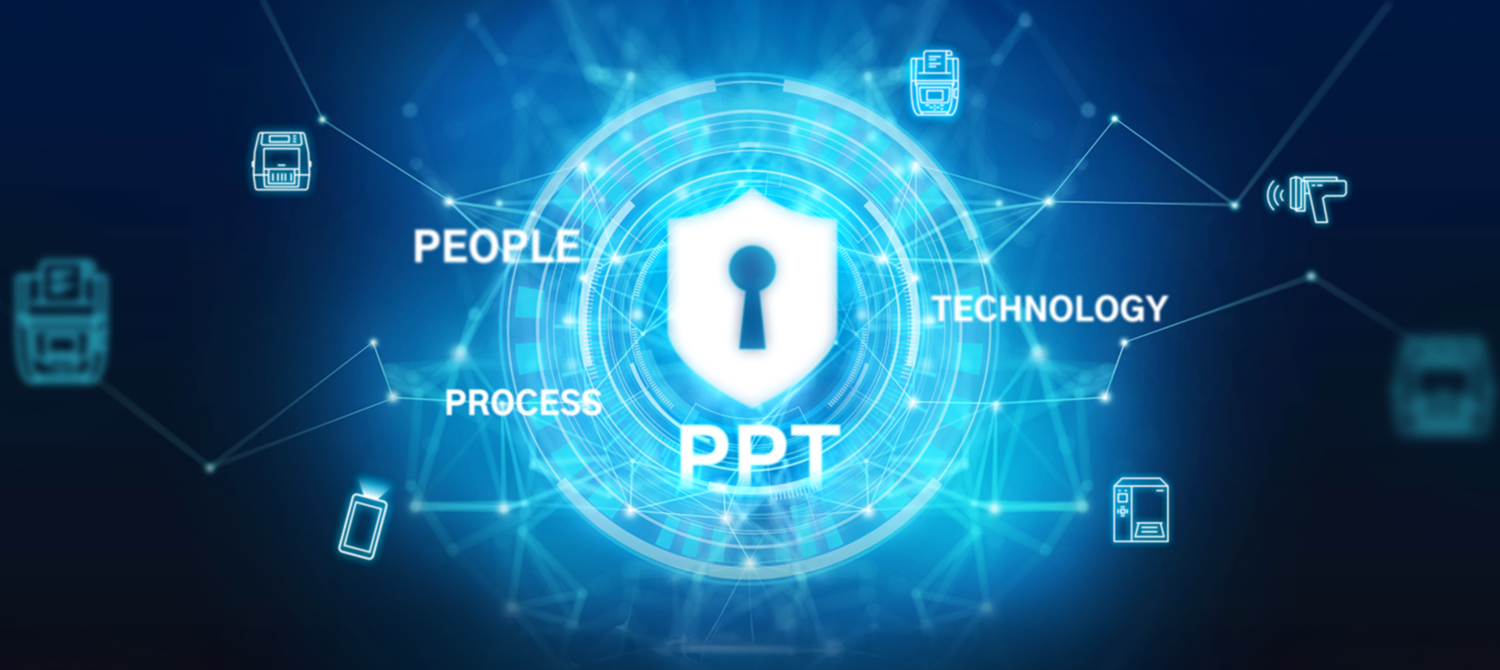
In our interconnected, digitalized world, cybersecurity isn't just an IT concern—it's a fundamental necessity. However, navigating through the multitude of security measures available and evolving threats can quickly become overwhelming. The good news is that the People, Process, and Technology (PPT) Framework can help you structure your thermal printer and enterprise mobile computer (EMC) security. That framework is built upon three pillars and is a holistic approach that extends beyond just the technical aspect of cybersecurity. It emphasizes cybersecurity as an integrated part of your entire organization. Here is a breakdown of the three pillars:
People – Make Sure Everyone Plays Their Part
People are often considered the weakest link in the security chain, but they can also be the strongest line of defense if properly trained. For example, staff members who use unauthorized devices like USB drives to transfer files increase the risk of malware introduction. In most cases, such behaviors are due to lapses in discipline or a lack of awareness. Therefore, effective staff education and awareness programs are essential for keeping personnel abreast of security risks, policies, and best practices. More importantly, these programs help build a security-conscious culture where cybersecurity is a shared organizational responsibility, not just the IT department's role.
Processes – Establish Rules, Policies, and Procedures
Sometimes, the biggest weakness lies in the absence of clearly defined rules, policies, and procedures. For example, without a formal patch management policy that prioritizes critical updates and specifies clear implementation steps, organizations risk prolonged exposure to software vulnerabilities. In this case, the risk is amplified by inconsistent or poorly prioritized processes. A clear patch management policy tied to industry standards, such as the NIST Cybersecurity Framework, HIPAA, or CMMC, would effectively mitigate this risk.
Technology – Have the Right Tools, Systems, and Hardware
This pillar involves selecting tools, systems, and hardware that meet technical security requirements, such as encryption, access control, authentication, and patch management. For printers and EMCs in particular, additional specialized features—like device hardening, print job encryption, secure firmware updates, and MDM integration—should also be considered. These devices are designed to align with cybersecurity principles and models such as the Confidentiality, Integrity, and Availability (CIA) Triad and Zero Trust, ensuring they can be effectively incorporated into your cybersecurity framework and contribute to a holistic strategy.
To summarize, securing your thermal printers and enterprise mobile computers demands a holistic strategy. The PPT Framework delivers a clear and comprehensive structure for building a robust digital defense.
Learn more about thermal printer and EMC security: