






















Why Inventory Control Starts at Production Output
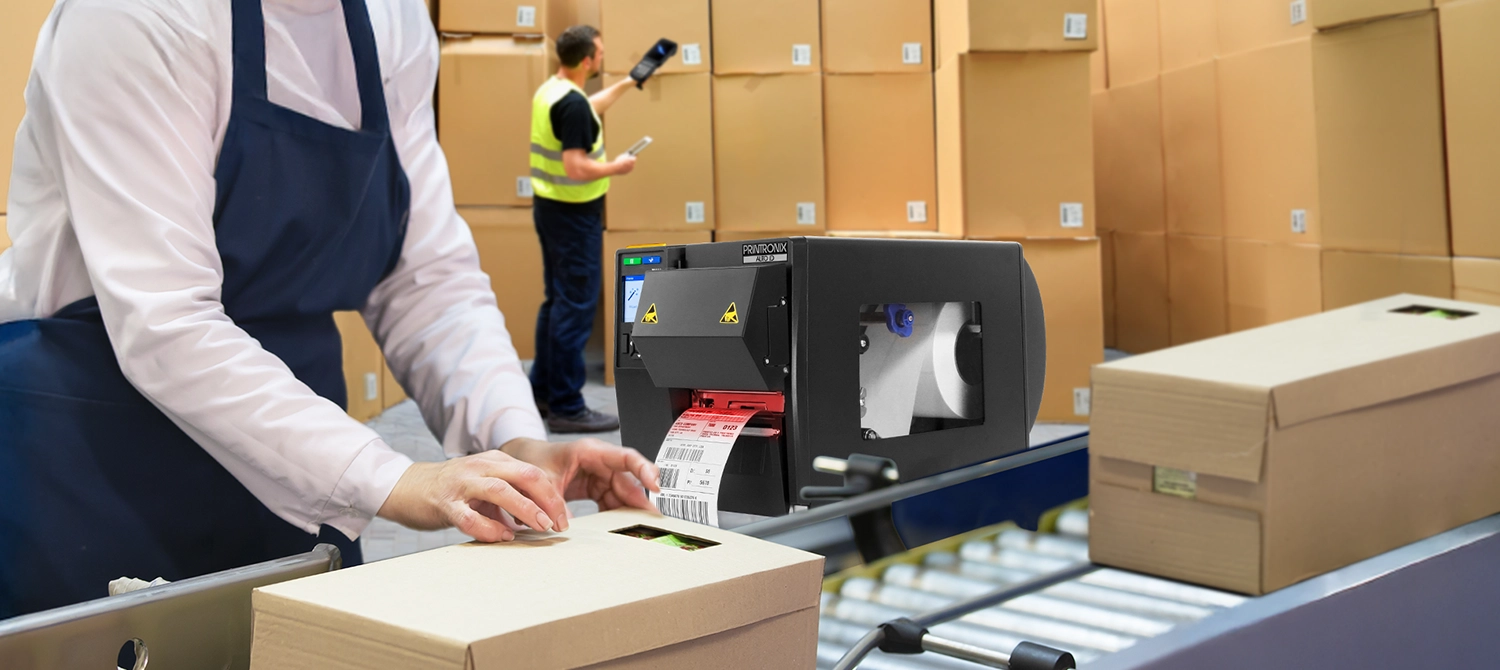
When a finished product leaves the production line, it typically marks the end of the manufacturing process. However, operationally speaking, it also marks the beginning of the inventory control process. This is the point where product information needs to be confirmed before the finished good moves into inventory.
A labeling error, unreadable barcode, or incorrect printed information may seem like a small production issue. If it is discovered later, it can lead to rework, laborious manual verification, inventory discrepancies, and delays in finished goods processing.
For manufacturers managing high volumes of finished goods, the question is not simply how quickly products can move out of production. It is whether the product and its information have been properly verified before that handoff takes place.
Moving Inspection Closer to the Source
Many finished goods processes still rely on downstream checks. This means an issue originating at production may only become visible after the product has already moved downstream.
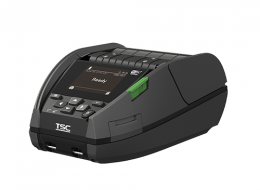
A more proactive approach is to establish a control point at production output. An ODV/OCR-assisted label inspection solution can verify barcode print quality and validate label data before finished goods leave production. This ensures the finished good is correctly identified before it enters the next process.
ODV/OCR-Assisted Finished Goods Put-Away Solution
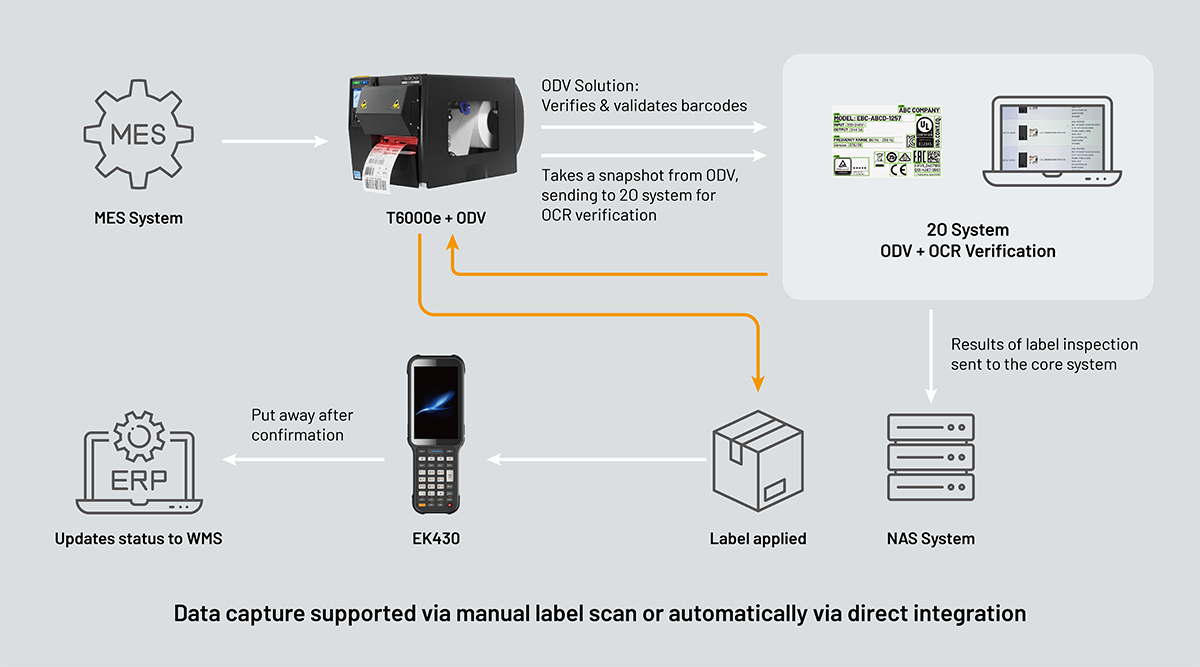
The solution connects label data, automated inspection and reprint, and digital inventory updates into one workflow.
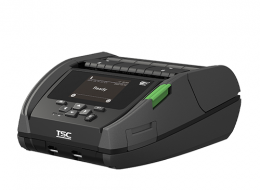
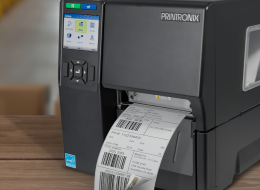
Product label information from the MES is sent to the barcode inspection printer, where ODV verifies barcode print quality and validates the barcode data. Snapshots of the labels are sent to an OCR system for text and graphic verification. The OCR system then returns a result, pass or fail, to the printer.
If the label passes verification, it is printed as normal. If an error is detected, the incorrect label is automatically overstruck, and the correct label is reprinted—without manual intervention.
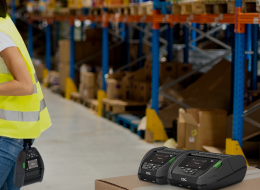
This means only verified product labels are applied to the finished product and its outer case. Before the goods enter inventory, operators can scan them with a keypad mobile computer and immediately update the WMS, connecting verified product identification with the inventory record. The result is a controlled flow from product identification to inventory entry.
Why This Matters for More Connected Manufacturing
By addressing label and identification issues at production output, manufacturers can reduce the manual effort and downstream disruption associated with incorrect finished goods information. Depending on the application and implementation, the solution can reduce verification time by 60–80%, cut label errors by 70–90%, and speed up put-away by 20–35%.
In addition, as manufacturers face growing expectations around traceability and product information, the quality of information associated with a product becomes increasingly important. Initiatives such as the Digital Product Passport highlight this broader shift toward more connected product information.
While finished goods put-away is not a DPP solution, it addresses a fundamental operational requirement behind more connected processes. It makes sure product information is accurate at the point where it enters the next stage of the product lifecycle.
Start at the Production Output Point
Improving finished goods control does not necessarily require manufacturers to redesign their entire production or warehouse operation. A practical starting point is to establish this control at the end of production.
Looking to strengthen control at production output? Download the ODV/OCR-Assisted Finished Goods Put-Away Solution Sheet to explore the approach or talk with our experts about your manufacturing workflow.
If you have complementary technologies or capabilities and are looking to bring them into practical manufacturing applications, we welcome the opportunity to work together and serve more customers.